I want to begin with a memory that is not mine but has been told to me many times. A traveller, lost at dusk, knocks on the first door he sees. The family inside has only enough rice for themselves. They feed him first. The next morning, when he tries to leave money, they refuse. He is told: a guest is a blessing, not a customer. Whether or not it ever happened, the memory teaches what Teranga is — better than any definition does. Teranga and Strangers? The story is the answer.
What Teranga Actually Means
Teranga is a Wolof word that does not translate cleanly. The closest English approximation is hospitality, but it is hospitality elevated to a defining cultural virtue. It is why Senegal calls itself 'the land of teranga.' It is the reflex to feed a stranger, to seat them, to ask after them. In the modern world it is also a strategy — for sales, leadership, customer experience, and any practice that depends on people choosing to come back. This much is on Wikipedia and in introductory leadership books. What is harder to find — and harder to translate — is the texture of the concept: the way Teranga shapes a thousand small daily choices in a Wolof / Senegalese household, and how those choices accumulate into a different shape of life.
Hospitality is the first medicine.Senegalese
The Question This Post Is About
How Teranga changes the small encounters with people whose names you'll never learn. The question is worth taking seriously, because Teranga is one of those concepts that loses its shape when handled carelessly — and recovers it as soon as the reader is willing to slow down and listen.
Outside the workplace, Teranga reads differently — and harder. In a household, it is not a leadership philosophy; it is a daily, sometimes irritating, set of obligations. The phone call you owe. The message you have not answered. The relative whose problem is now your problem because no one else is closer. First-day hires are walked to lunch, not handed a checklist. Teranga does not let you opt out of these.
A Second Angle
There is a specific application of Teranga that managers rediscover every few years and act surprised to find: the practice of asking, before any consequential decision, who has not yet been heard from. The question seems procedural. It is not. It is a small Teranga act, repeated, that changes the temperature of an organisation over years. First-day hires are walked to lunch, not handed a checklist.
Where the Concept Resists
Teranga is sometimes presented as the answer to the diseases of Western individualism. It is not, exactly. It is a different answer to a different question. Pretending it is a drop-in replacement for the modern self-help bookshelf does Teranga a disservice — and the reader, too. The work of taking it seriously is harder than that.
What to Do With This
There is no certificate at the end of Teranga. There is only the slow accumulation of choices made differently — meetings shaped differently, relationships tended differently, decisions weighed differently. The reward is not visible. The cost is real. Over time the difference becomes a kind of life.
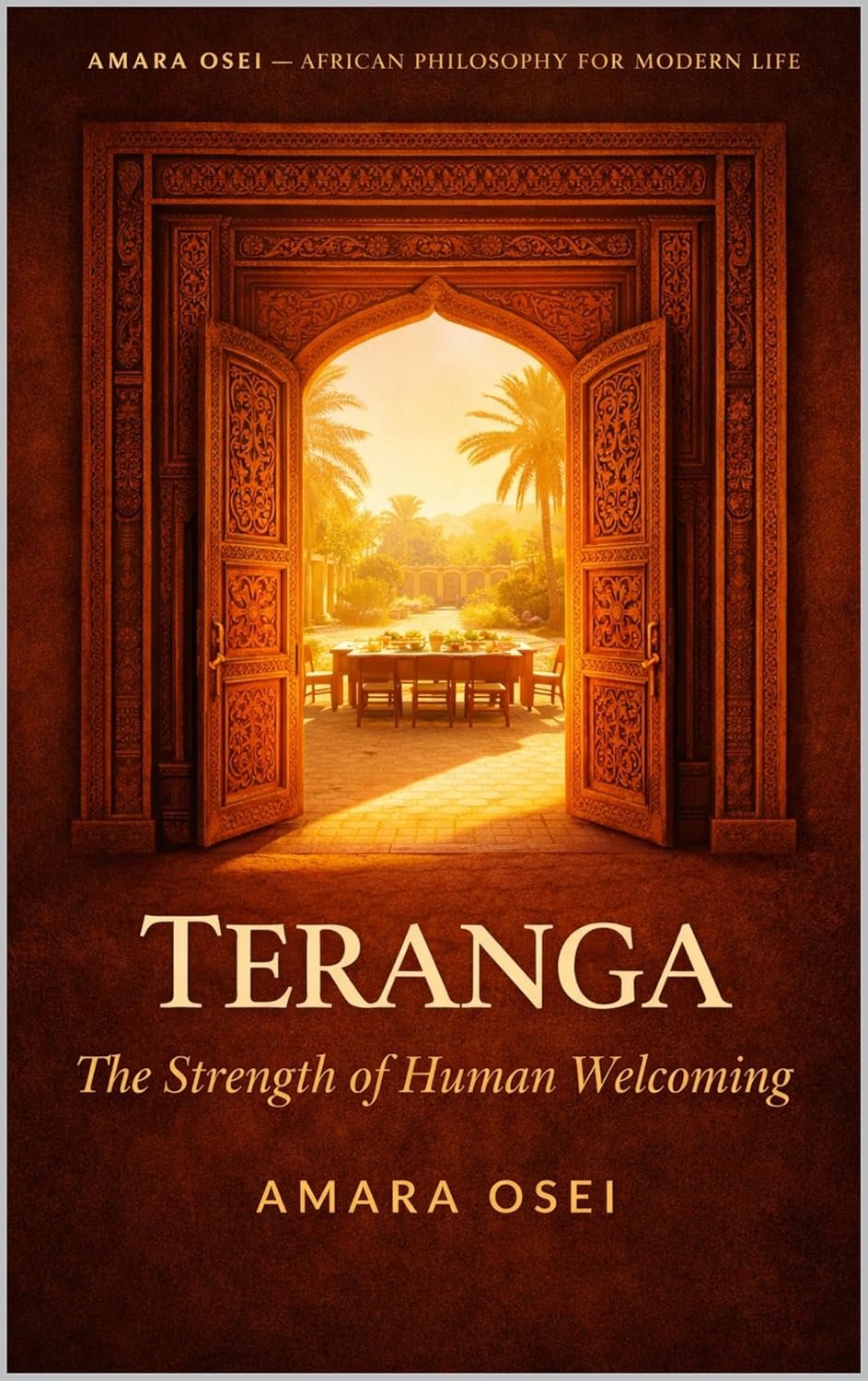
The full philosophy, as a book
The Senegalese philosophy of generosity as strategy — in business, sales, leadership, and life.
Read on Amazon