Begin with the word itself. Teranga, in Wolof, sits in a different grammatical and emotional register than its closest English equivalents. Why Teranga Still Matters? You cannot answer that question without first sitting with the word — and noticing what English doesn't quite have a slot for.
What Teranga Actually Means
Teranga is a Wolof word that does not translate cleanly. The closest English approximation is hospitality, but it is hospitality elevated to a defining cultural virtue. It is why Senegal calls itself 'the land of teranga.' It is the reflex to feed a stranger, to seat them, to ask after them. In the modern world it is also a strategy — for sales, leadership, customer experience, and any practice that depends on people choosing to come back. This much is on Wikipedia and in introductory leadership books. What is harder to find — and harder to translate — is the texture of the concept: the way Teranga shapes a thousand small daily choices in a Wolof / Senegalese household, and how those choices accumulate into a different shape of life.
A guest is a blessing.Wolof
The Question This Post Is About
The reasons Teranga keeps surfacing in serious modern conversations. The question is worth taking seriously, because Teranga is one of those concepts that loses its shape when handled carelessly — and recovers it as soon as the reader is willing to slow down and listen.
The most concrete way Teranga shows up in working life is in how a manager handles failure. The Western reflex is to find the responsible individual, document the failure, and move on. Teranga insists on a slower, harder question first: what did the team make possible, and what did it fail to prevent? The shift sounds soft. It is not. First-day hires are walked to lunch, not handed a checklist.
A Second Angle
If you take Teranga seriously at work, the first thing that has to change is the meeting. Not its agenda — its shape. Western meetings are optimised for speed and for the loudest contributor. Teranga is optimised for something else: for the quality of decisions that hold. First-day hires are walked to lunch, not handed a checklist. The trade-off is real. Meetings under Teranga take longer. The decisions also unstick less often.
Where the Concept Resists
It would be dishonest to pretend Teranga is uncomplicated. The concept can be — and has been — used to suppress dissent in the name of harmony, to extract unpaid labour from women in the name of community, and to soften criticism that should have been sharper. Any serious reading of Teranga has to hold these uses in view. The concept survives the criticism. But it is not innocent.
What to Do With This
There is no certificate at the end of Teranga. There is only the slow accumulation of choices made differently — meetings shaped differently, relationships tended differently, decisions weighed differently. The reward is not visible. The cost is real. Over time the difference becomes a kind of life.
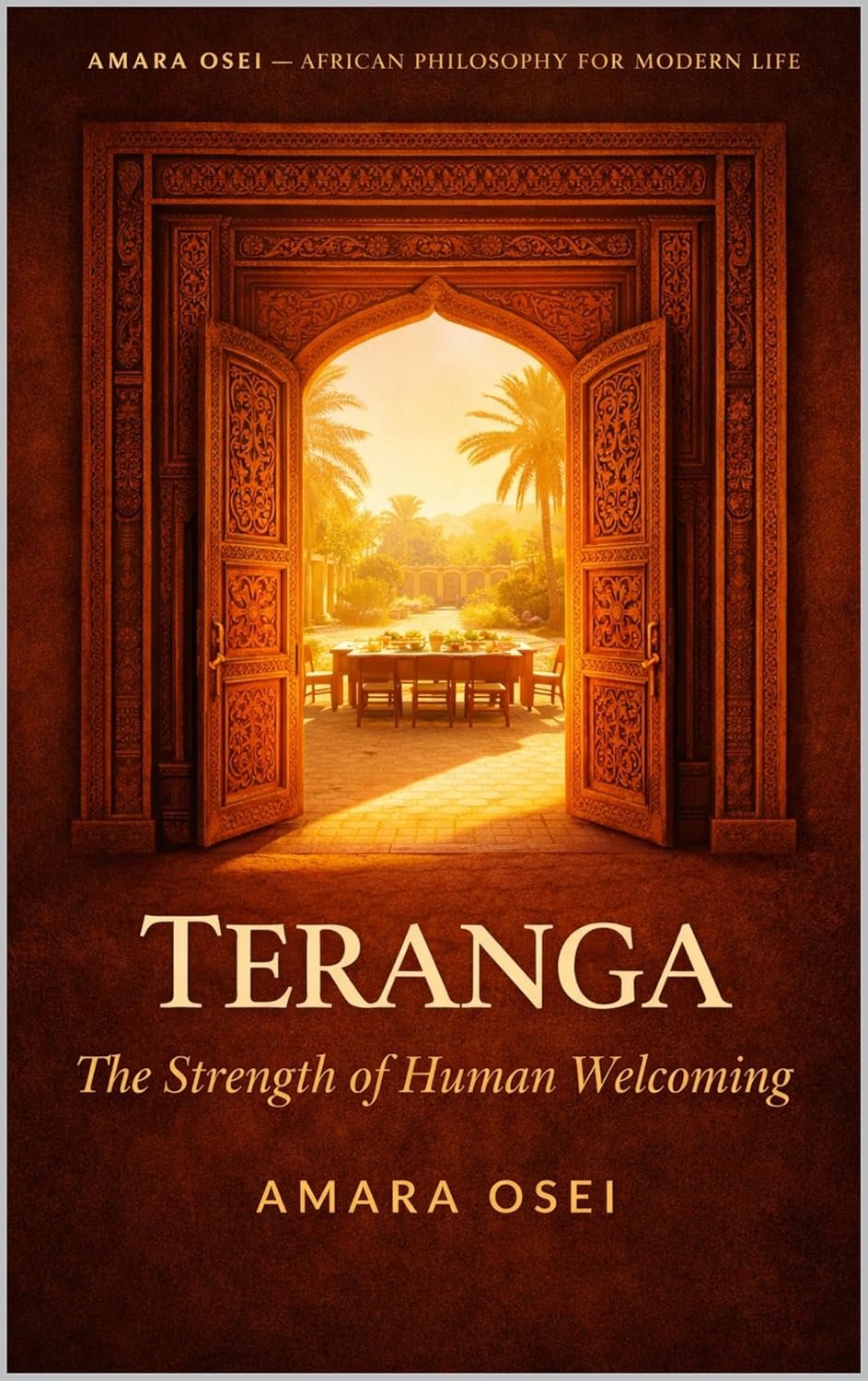
The full philosophy, as a book
The Senegalese philosophy of generosity as strategy — in business, sales, leadership, and life.
Read on Amazon