If you have heard Indaba only in the context of corporate diversity training or a viral leadership quote, you have not really heard Indaba. Indaba in Management? The version of the word that survives in Southern Africa is older, stranger, and more demanding than the version that travels.
What Indaba Actually Means
Indaba is a Zulu and Xhosa word for a council meeting — historically of elders, today of any group that needs to make a decision worth keeping. The form has been borrowed by international climate negotiators, corporate boards, and community organisations because of one quality: it produces decisions that hold. It does this by refusing the Western meeting model — the loudest voice, the rushed vote, the unread minutes — in favour of structured listening, ritualised speech, and visible consensus. This much is on Wikipedia and in introductory leadership books. What is harder to find — and harder to translate — is the texture of the concept: the way Indaba shapes a thousand small daily choices in a Zulu / Southern African household, and how those choices accumulate into a different shape of life.
The wise listen before they speak; fools speak before they listen.Akan
The Question This Post Is About
A practical reading of Indaba for managers who want to lead without dominating. The question is worth taking seriously, because Indaba is one of those concepts that loses its shape when handled carelessly — and recovers it as soon as the reader is willing to slow down and listen.
If you take Indaba seriously at work, the first thing that has to change is the meeting. Not its agenda — its shape. Western meetings are optimised for speed and for the loudest contributor. Indaba is optimised for something else: for the quality of decisions that hold. Meetings end with the convener summarising what was decided and asking each person whether they recognise the summary. The trade-off is real. Meetings under Indaba take longer. The decisions also unstick less often.
A Second Angle
Outside the workplace, Indaba reads differently — and harder. In a household, it is not a leadership philosophy; it is a daily, sometimes irritating, set of obligations. The phone call you owe. The message you have not answered. The relative whose problem is now your problem because no one else is closer. Meetings end with the convener summarising what was decided and asking each person whether they recognise the summary. Indaba does not let you opt out of these.
Where the Concept Resists
There is also the question of authority. Who gets to speak for Indaba? The traditions in which it lives are old, plural, sometimes in disagreement with each other. Anyone — including the writer of this essay — who claims a definitive reading is overreaching. The careful reader treats every restatement of Indaba, including this one, as one voice among many.
What to Do With This
There is no certificate at the end of Indaba. There is only the slow accumulation of choices made differently — meetings shaped differently, relationships tended differently, decisions weighed differently. The reward is not visible. The cost is real. Over time the difference becomes a kind of life.
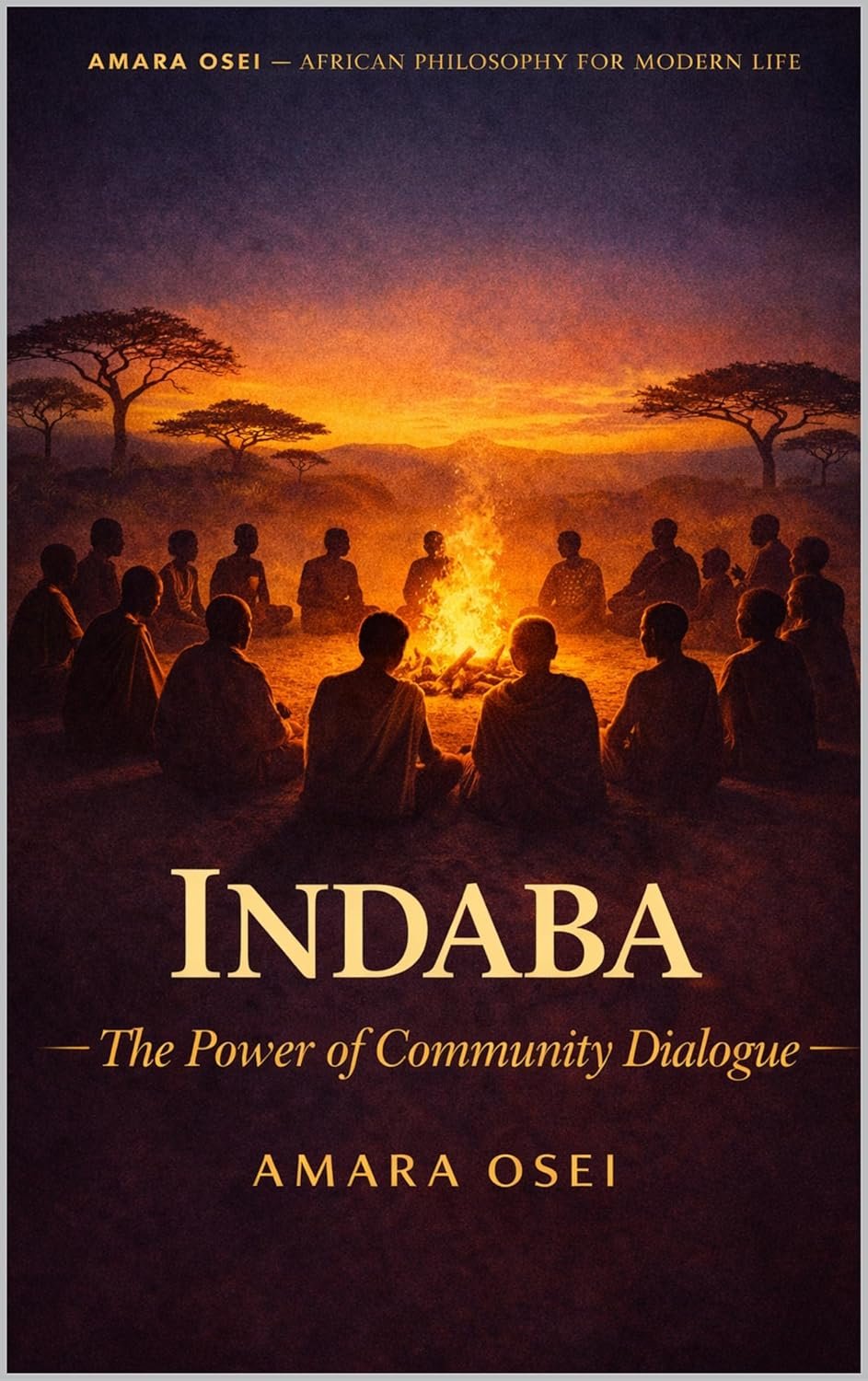
The full philosophy, as a book
How to run meetings where everyone is heard — and the decisions you make actually stick.
Read on Amazon